
Meet The
ishush team
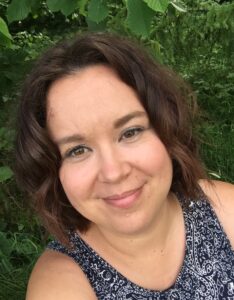
Dr Kathryn Fackrell
Kathryn is a senior researcher at NIHR Nottingham Biomedical Research Centre, University of Nottingham and is leading a programme of research in hyperacusis management and assessment. She is experienced in research methodology used to develop and evaluate digital interventions.
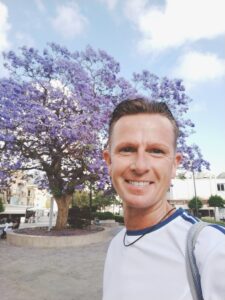
Dr Derek Hoare
Derek is an Associate Professor in Hearing Sciences and leads the hearing research programme at the NIHR Nottingham Biomedical Research Centre, University of Nottingham. His research focuses on tinnitus, hyperacusis, and hearing loss, with an interest in self-management and wellbeing.
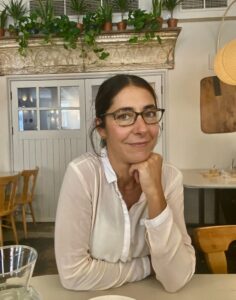
Dr Elvira Perez
Elvira is a Professor of Mental Health and Digital Technology at the University of Nottingham. Recently, her work focuses on Responsible AI for Death and Dying, addressing critical issues like data ethics, privacy, user engagement, and co-production of technology.
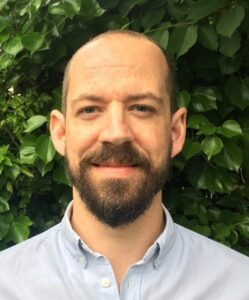
Dr Adam Geraghty
Adam is an Associate Professor in Primary care, University of Southampton. He has extensive experience in developing and evaluating digital interventions for health problems, including low back pain, severe emotional distress, and chronic dizziness.
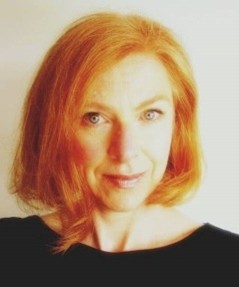
Carol MacDonald
Carol is a Research Fellow in hearing sciences at the NIHR Nottingham Biomedical Research Centre, University of Nottingham. Her research activities reflect her commitment to understanding and managing tinnitus and hyperacusis. A practising BABCP accredited Cognitive Behavioural (CBT) therapist, she works clinically with people who have tinnitus and hyperacusis.
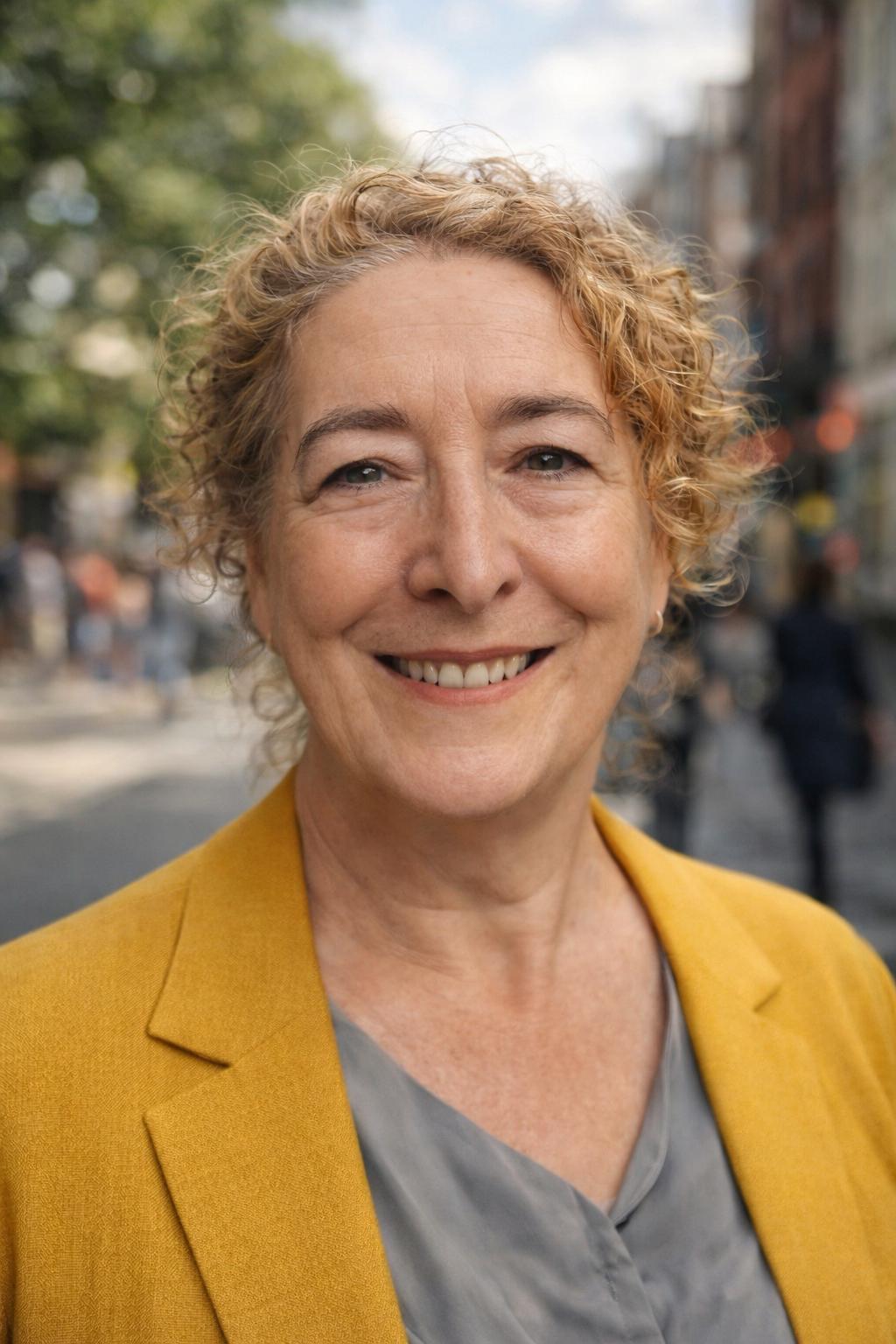
Veronica Kennedy
Veronica is an Audiovestibular Physician based at Bolton with an interest in hyperacusis and tinnitus. She has many years of clinical experience with tinnitus and hyperacusis. She was clinical lead in the development of the 2020 NICE Tinnitus guideline.
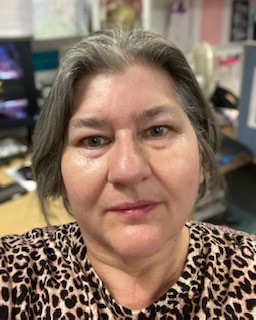
Sandra Smith
Sandra Smith is a Research Assistant at the NIHR Nottingham Biomedical Research Centre in the University of Nottingham. She supports research across varied projects in hearing loss, tinnitus and hyperacusis, including the development and evaluation of ishush website. Before joining the BRC in 2010 Sandra worked in the Pharmaceutical industry for many years.
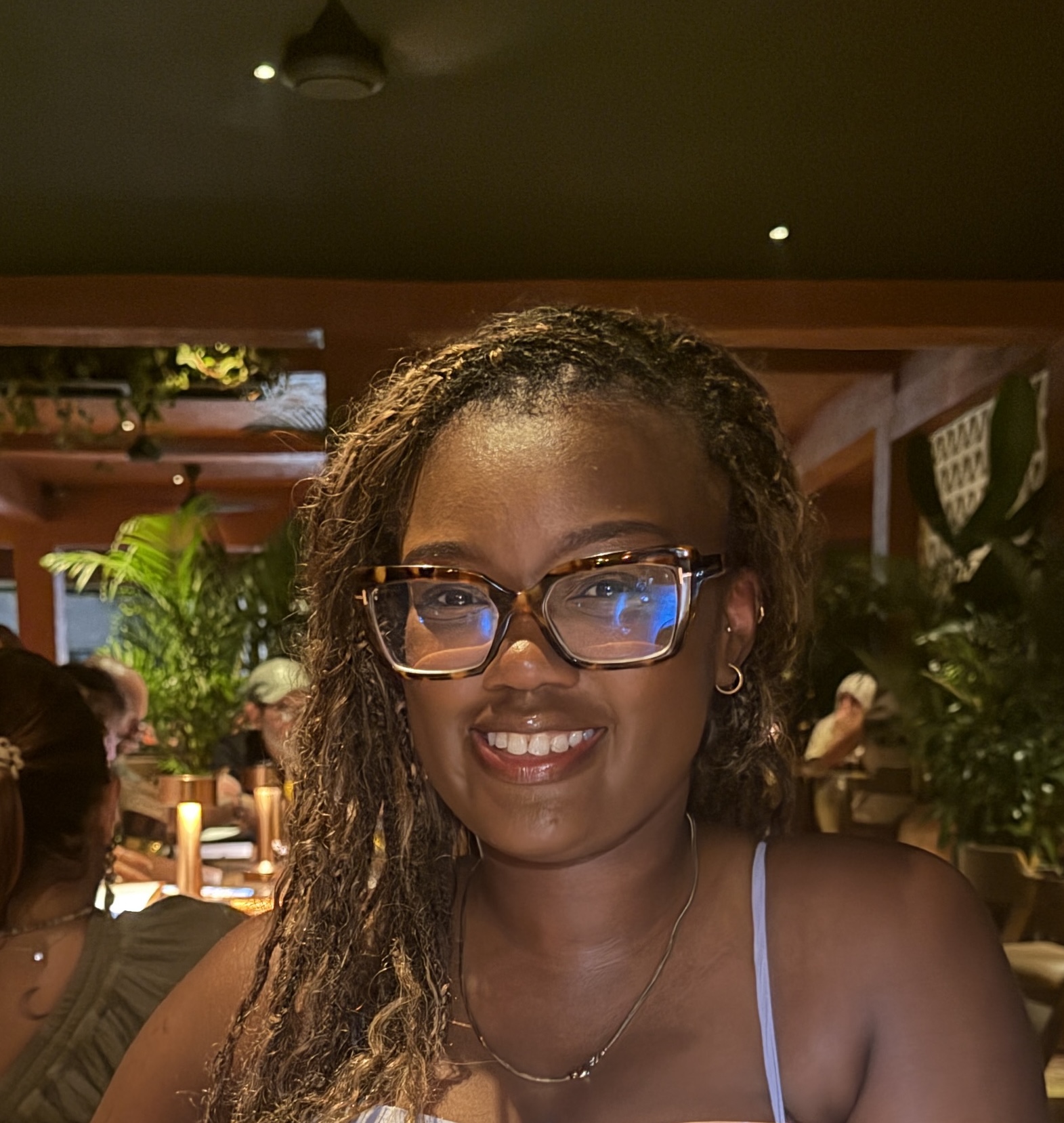
Sarah Doherty
Sarah brings a unique, research-driven perspective to the development process. Having spent years analysing digital trends and working in research as a co-investigation and co-chair, she understands the human behaviour behind the screen. As a multimedia developer, she translates these insights into supportive digital environments, with a primary focus on mental health and social impact projects. She believes that the best web experiences are those that prioritise the well-being of the user.
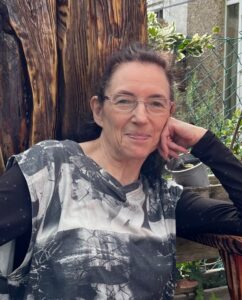
Linda Stratmann
I have had hyperacusis since 1995, where I went to the UK tour of the Solid Silver Sixties Show, and without realising it, was seated too close to the sound system. There was then very little information available about hyperacusis, and it was some years before I obtained a diagnosis. In 2007, I started a Facebook group to bring together people with hyperacusis to share their experiences, support each other and know that they were not alone. I have been involved and supported research including being a patient representative on James Lind Alliance Hyperacusis Priority Setting Partnership and I am now delighted to have use my lived experiences to support the development of the ishush website.
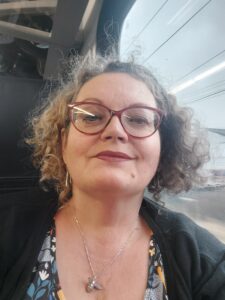
Nic Wray
I have had hyperacusis since my twenties, but it is intermittent and generally only flares up prior to a migraine, or when I am stressed or hangry! I find it’s usually a signal to act, so although not exactly a welcome experience, it’s a useful nudge.
By profession, I'm a Chartered PR Practitioner, specialising in charity communications. Working for a hearing related charity was when I came across other people living with hyperacusis for the first time. I have been an advocate for people with hyperacusis since including being a patient participant on the James Lind Alliance Hyperacusis Priority Setting Partnership, and now working on this iSHUSH project. The sound that I find most annoying – at any time - are autotuned vocals.
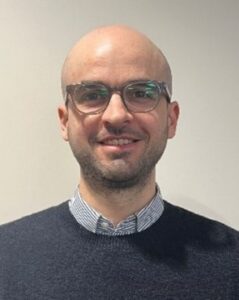
Dr Christopher Murray
After working for a decade in nightclubs I developed hyperacusis and have been living with sensitivity to certain kinds of noise since 2020. I wanted to become involved in this research because I’m interested in increasing awareness of this condition and learning more about its mechanisms and potential treatments. I am also a researcher, and I focus on research capacity building in a healthcare setting.